
acid etched toughened glass
The Versatility and Benefits of Round Welding Tables In the realm of metalworking and fabrication, the tools and equipment used can significantly impact both the quality of the finished product and the efficiency of the manufacturing process. One such essential tool is the round welding table. These tables are designed specifically for welding tasks, offering numerous advantages that cater to the diverse needs of welders and fabricators alike. What is a Round Welding Table? A round welding table is a flat, circular surface utilized primarily for welding metal components. The surface is often made from heavy-duty materials such as carbon steel or stainless steel, which can withstand the heat and mechanical stresses associated with welding processes. Many round welding tables come equipped with clamps, fixtures, and other accessories that assist in securing workpieces, thereby enhancing precision and stability during the welding process. Benefits of Using Round Welding Tables 1. Enhanced Accessibility One of the significant advantages of a round welding table is improved accessibility. The circular design allows workers to approach from all sides, making it easier to reach all areas of the workpiece without needing to relocate it. This feature is particularly useful for larger components or assemblies that may require constant adjustment during the welding process. 2. Space Efficiency Round tables can be more space-efficient in workshops where square or rectangular surfaces might not fit optimally. When placed in corners or against walls, round tables can help maximize the usable workspace, allowing for a more organized and efficient fabrication area. round welding table 3. Versatility Unlike traditional flat tables, round welding tables can accommodate a wide variety of shapes and sizes. This versatility is essential in a field where components often come in diverse forms. The ability to work on different shapes on a single table reduces the need for multiple fixtures and setups, saving time and increasing productivity. 4. Stability and Support Many round welding tables feature heavy-duty construction designed to absorb the heat and vibrations produced during welding processes. This stability reduces the risk of warping or movement during welding, which is crucial for maintaining the alignment and integrity of the welded joints. Additionally, some tables can be equipped with adjustable legs to ensure level working surfaces even on uneven floors. 5. Improved Workflow When integrated into a larger welding operation, round welding tables can streamline workflow. Being able to rotate a workpiece easily allows for better access to different weld joints, helping to shorten the time required for setup and adjustments. This fluid workflow can lead to faster project completion times, thereby increasing overall productivity. 6. Quality Control Precision is paramount in welding, affecting the strength and durability of the final product. Round welding tables contribute to higher quality work by providing a stable platform for parts alignment and assembly. Many tables also have built-in measuring guides and layouts marked on the surface, allowing for easier reference and reducing the likelihood of errors during fabrication. Conclusion Round welding tables are an invaluable addition to any metalworking shop. Their design promotes accessibility, space efficiency, and versatility, making them suitable for a wide range of welding applications. By enhancing stability and workflow, these tables not only help improve the quality of work but also contribute to increased productivity and efficiency in operations. As the demands of the fabrication industry continue to evolve, investing in quality round welding tables can equip welders and fabricators with the tools necessary to meet these challenges head-on, ensuring they remain competitive in a dynamic market. Ultimately, the right welding table can make a significant difference in the quality of work and the satisfaction of the worker, highlighting its importance in the fabrication industry.
about
acid etched toughened glass
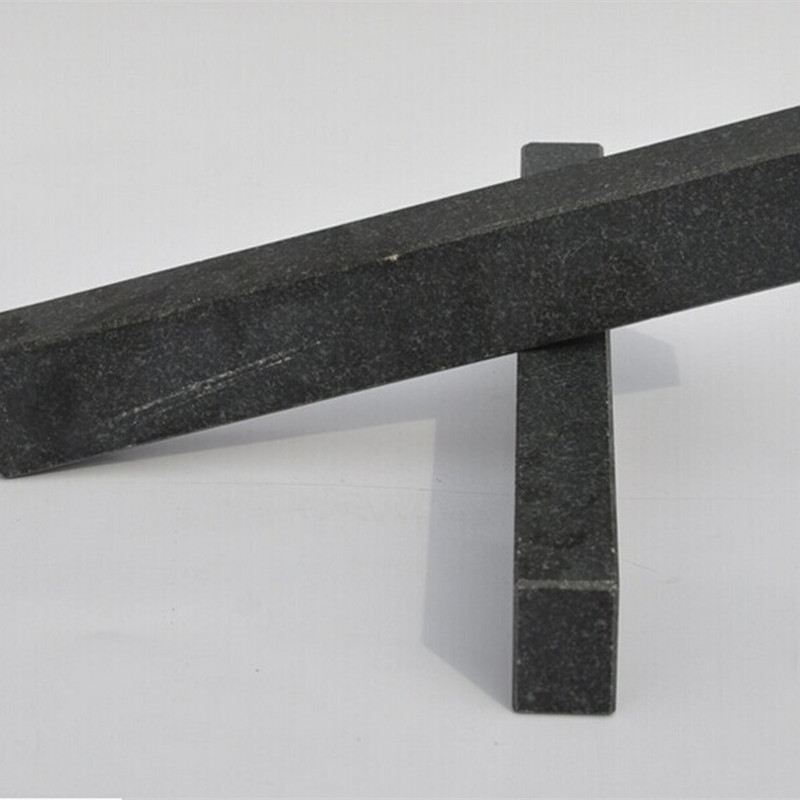
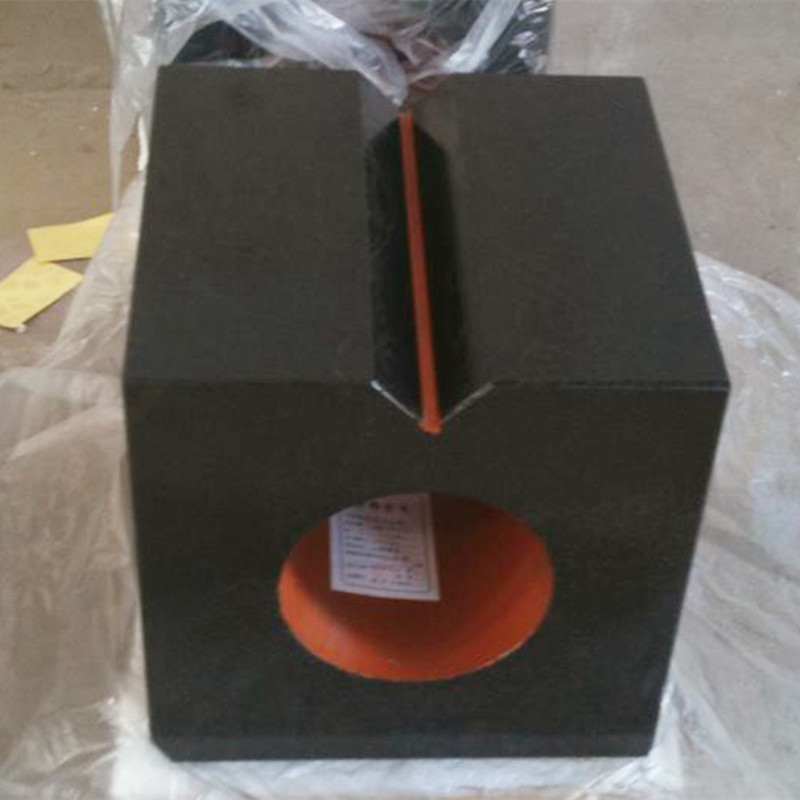
The Importance of Large Granite Surface Plates in Precision Engineering Large granite surface plates are essential tools in the field of precision engineering and metrology. Known for their reliability and stability, these plates play a pivotal role in ensuring accurate measurements and surface flatness in various industrial applications. As industries continue to prioritize quality control and precision manufacturing, the significance of granite surface plates becomes increasingly apparent. Granite, as a material, offers several advantages that make it ideal for use in surface plates. One of the primary benefits is its exceptional hardness and durability. Granite is a natural stone that can withstand considerable wear and tear, making it perfect for heavy-duty applications. This robustness ensures that the surface plate remains flat and intact even under significant stress while also resisting scratches and other forms of damage. Another defining feature of granite is its natural resistance to temperature fluctuations. Changes in temperature can cause materials to expand or contract, leading to measurement inaccuracies. However, granite maintains its structural integrity across a range of temperatures, which is crucial for precision engineering. This characteristic ensures that measurements taken on granite surface plates remain stable, irrespective of environmental conditions. Precision is paramount in engineering, and granite surface plates facilitate this with their inherent flatness. These plates are carefully manufactured and calibrated to achieve a high degree of flatness, measured in microns. This level of precision is critical in various applications, including machining, assembly, and quality assurance, where even minor deviations can lead to significant consequences in product performance. large granite surface plate Large granite surface plates also provide a sturdy work surface for the placement of workpieces and measurement instruments. Their substantial weight and stability help to absorb vibrations and minimize external disturbances, thereby enhancing the accuracy of measurements taken on or against them. This characteristic is particularly beneficial in high-precision industries such as aerospace, automotive, and electronics. Moreover, maintaining and using large granite surface plates is relatively straightforward. They typically require minimal maintenance, and regular cleaning is all that is needed to preserve their functionality . This ease of maintenance allows manufacturers to focus on production without the added burden of complex upkeep procedures. In addition to these practical benefits, granite surface plates also contribute to the operational efficiency of measuring instruments. By providing a stable reference surface, they enable precise calibration of tools such as micrometers, calipers, and gauges. This calibration is vital for ensuring that measurement tools deliver accurate results, further supporting the overall quality assurance process. In conclusion, large granite surface plates are indispensable in the realm of precision engineering. Their unique properties, including hardness, temperature stability, and exceptional flatness, make them ideal for a wide range of applications. As industries continue to seek out methods to improve precision and quality, the role of granite surface plates will undoubtedly remain central to achieving these goals. Investing in a high-quality granite surface plate can yield substantial benefits, positioning manufacturers on the path to success in an increasingly competitive marketplace.
-

High quality industrial productsagement

High quality industrial products
View Details -

Meet the diverse needs of customers

Meet the diverse needs of customers
View Details -

Strict quality control

Strict quality control
View Details -

Top raw materials

Top raw materials
View Details -

Trusted supplier

Trusted supplier
View Details
Our application

news and information
Valvola di cancello a flangia da 6 pollici
Un componente essenziale nei sistemi di gestione dei fluidi industriali è la valvola a saracinesca f
Y Type Suction Strainer Overview and Applications in Fluid Systems
Understanding Y-Type Suction Strainers A Vital Component in Fluid Systems In various industrial appl
Water valve issues preventing proper shut off and causing leaks in the system
Troubleshooting a Water Valve That Won't Shut Off Dealing with plumbing issues can be a homeowner's
 English